
SPECIAL NOTE: ALL OF FLOYD KUPTANA'S ART OFFERED FOR SALE BY THE WELLINGON GALLERY WERE ACQUIRED DIRECTLY FROM THE ARTIST WHILE HE WAS ALIVE. WE GUARANTEE 100% ORIGINAL KUPTANA ART:) FOR EVEN MORE INFORMATION ABOUT THIS SPECIAL ARTIST PLEASE VISIT, https://www.floydkuptana.ca
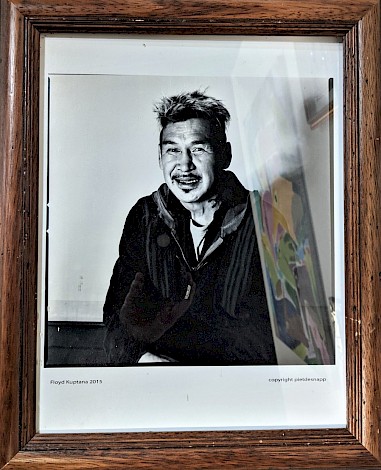
https://www.thestar.com/life/together/remembrance/2021/06/27/remembering-inuvialuk-artist-floyd-kuptana-whose-dark-vision-brought-important-issues-to-light.html
/https://www.thestar.com/content/dam/thestar/life/together/remembrance/2021/06/27/remembering-inuvialuk-artist-floyd-kuptana-whose-dark-vision-brought-important-issues-to-light/floyd_kuptana_illo.jpg)
TOGETHER: REMEMBRANCE
Remembering Inuvialuk artist Floyd Kuptana, whose dark vision brought important issues to light
For Floyd Kuptana, painting and sculpting were ways to connect with his people, culture and traumatic roots. He died at age 57, but he packed an extraordinary life into the limited time he had.
By Robyn Grant-MoranSpecial to the Star
Sun., June 27, 2021
Kuptana was born in a settlement near the former Distant Early Warning Line station at Cape Parry, Northwest Territories, Canada and later moved with his family to nearby Paulatuk. He began his career by helping cousins Francis and Abraham Anghik Ruben to sand and polish their carvings, later working with sculptor and painter Bill Nasogaluak and as an apprentice to David Ruben Piqtoukun, older brother of Abraham and Francis. He produced his own work since leaving the apprenticeship in 1992, and passed away suddenly in May, 2021. He is brother to carver Robert Kuptana.
Floyd Kuptana's sculptures of soapstone and other stone often feature shapes of both animal and human. Frequent imagery of transformation may be considered grotesque and include works of Sedna the Inuit goddess of the sea and marine animals. His work relates both to the Inuit shamanic beliefs and his own experiences.
After coming in contact in the late 2000s with Gallery Arcturus, a public art museum and education centre in Toronto, Kuptana began working with paint, depicting animals in bright colours on found materials such as wood and later on art board and canvas. Some of Kuptana's pieces enter the market via commercial galleries including a leading source of First Nations artwork in Toronto, Bay of Spirits. Most have been sold by the artist himself for private collections in Canada, the United States and other countries.
The piece known as "Self-portrait by Floyd Kuptana" was acquired in 2007 by Library and Archives Canada and appeared in a 2018 joint exhibit at the Glenbow art and history museum in Calgary.
Several works by Kuptana are in the permanent collection of Toronto contemporary art museum Gallery Arcturus. In 2018, an exhibit space on the gallery's second floor was created to showcase the artist's work in various media, as well as pieces created in collaboration with other artists.
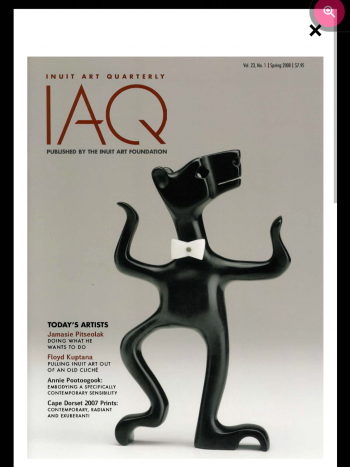
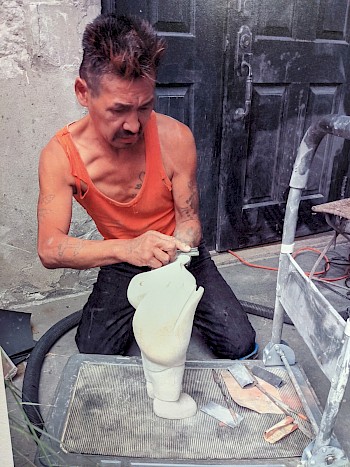
Floyd Kuptana was an amazing sculptor. One of his pieces , entitled " Ballroom Dancer" was on the cover of Inuit Art Quarterly in 2008:
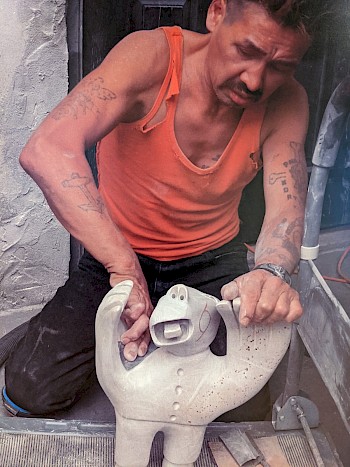
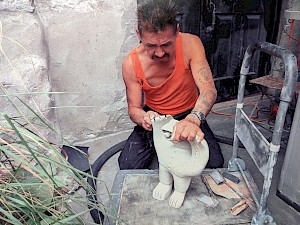
Floyd Kuptana creating amazing sculptures:)


-
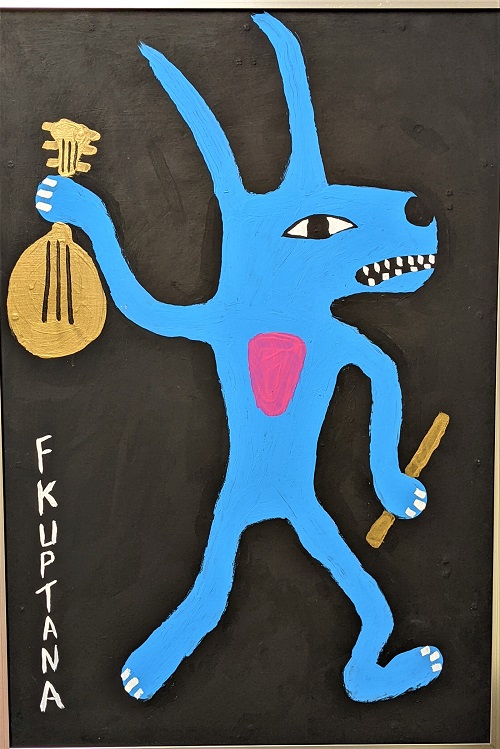
- Good Luck Celebration Acrylic On Board 46" x 33" 2019
- View Larger Photo
- 7500$ Retail Pricing
- 5000$ Our Wholesale Price

Quviasukvik is the first day of the year according to the Inuit. The festival of the New Year is celebrated by the Inuit, Yupik, Aleut, Chukchi and the Iñupiat.The feast originally derives from traditional Inuit religion but in modern times, it has Christian influences.
The Quviasukvik festival starts on Christmas Eve and ends on January 7. This festival celebrates the coming of the new year and the sea goddess, Sedna and the transferring of spirits for good luck in the new year. During these days, many traditional customs are displayed. Due to Christian influences, Christmas was considered a new year to the Inuit.
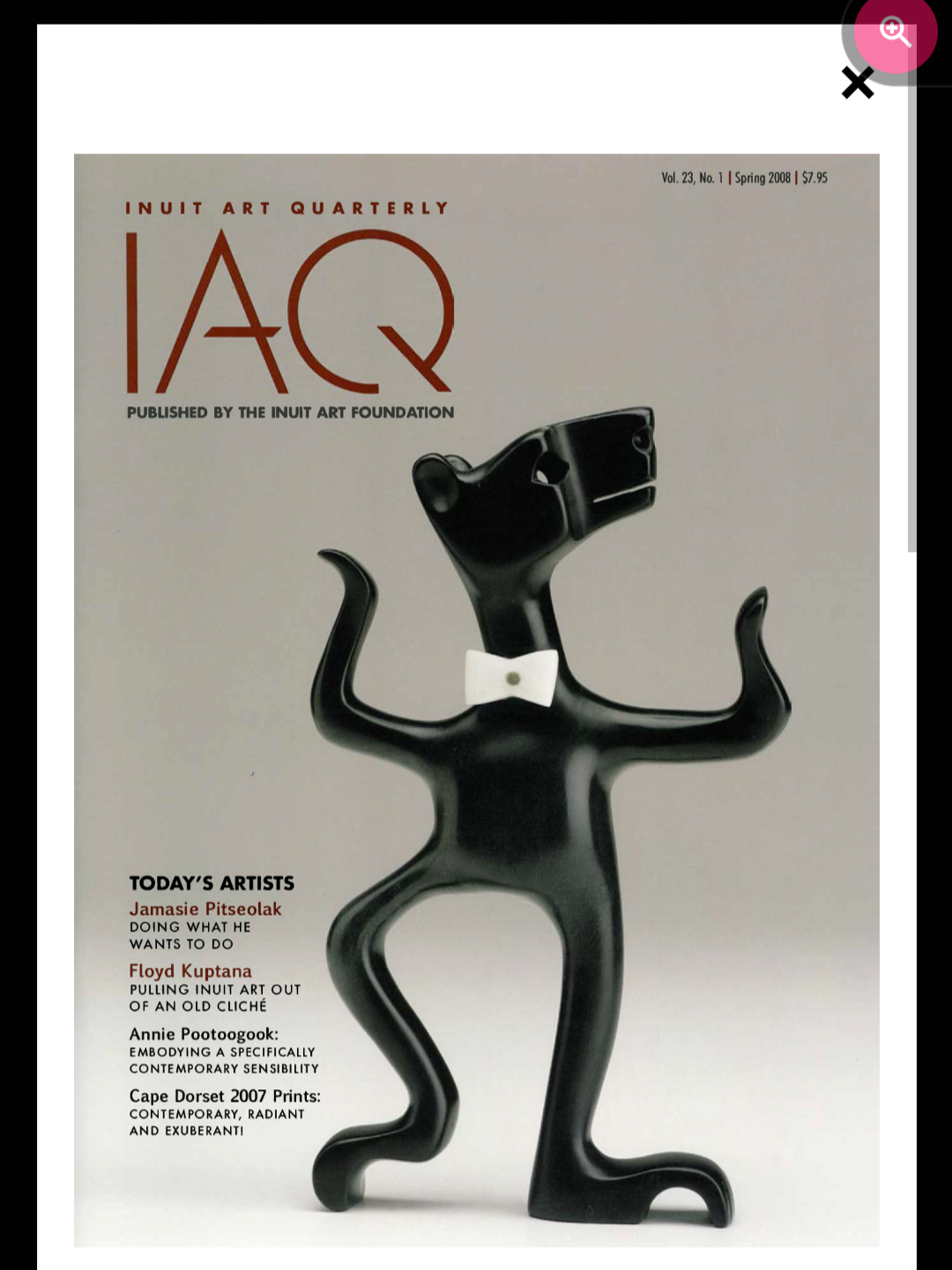
- Ballroom Dancer Soapstone Sculpture 10" x 6" 2003
- 15000$ Retail Pricing
- 10000$ Our Wholesale Price
This special Soapstone Scultpure was featured on the Cover of Inuit Art Quarterly in the Spring of 2008. It is arguably, Floyd Kuptana's most well known sculpture.
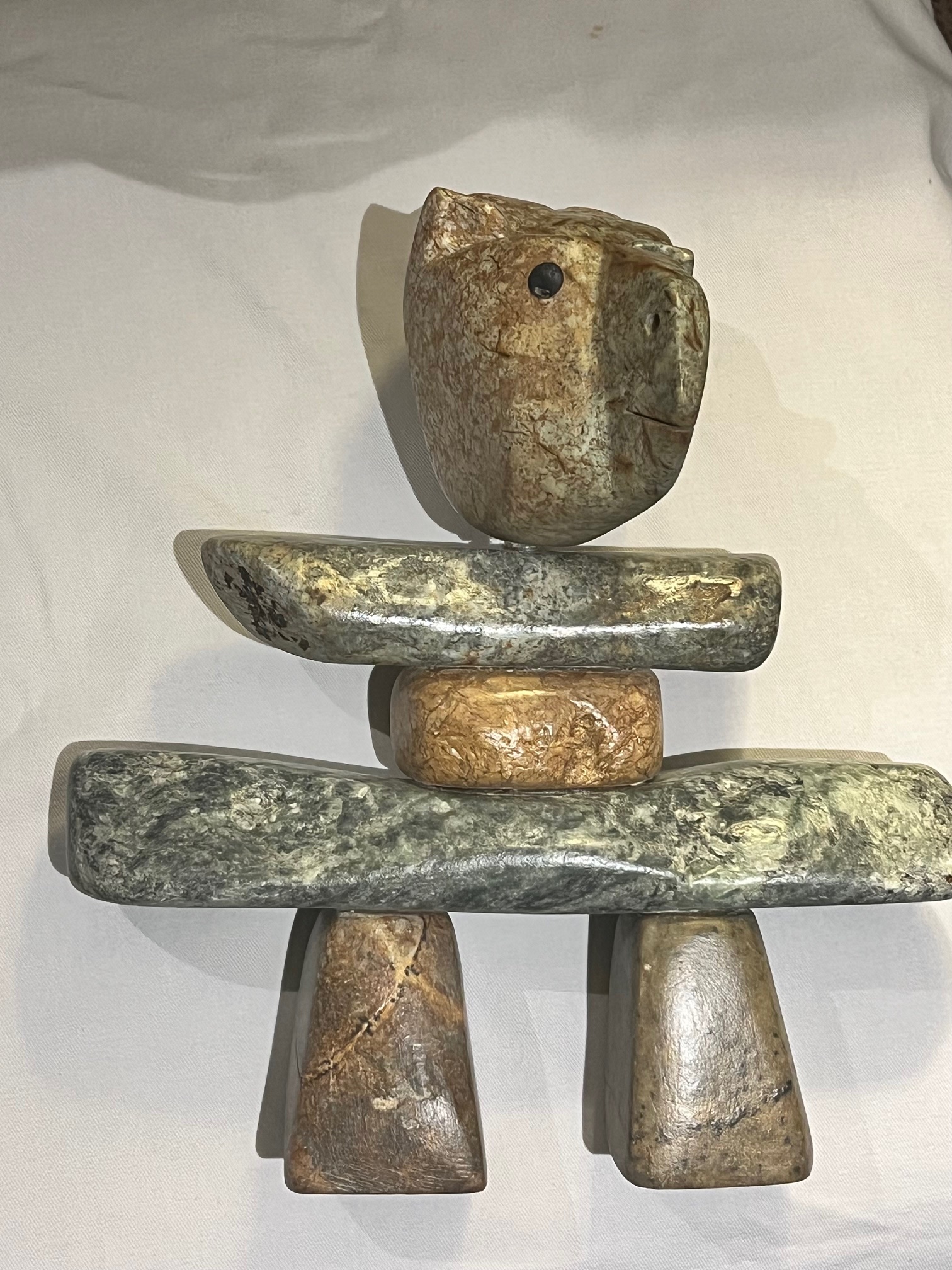
- Bear Inukshuk Stone Sculpture 11" x 10" 2010
- 7500$ Retail Pricing
- 5000$ Our Wholesale Price
"Floyd's Famous Bear Head is strategically placed on the top of an Inukshuk" —a polar bear in Inuktitut— is formidable, resilient and highly intelligent. But it can also be dangerous and unpredictable. Inuit have great respect for nanuq. Polar bears are important culturally and economically and represent a source of traditional food—or country food—for Inuit. Inukshuk is a structure of rough stones stacked in the form of a human figure, traditionally used by Inuit people as a landmark or a commemorative sign.
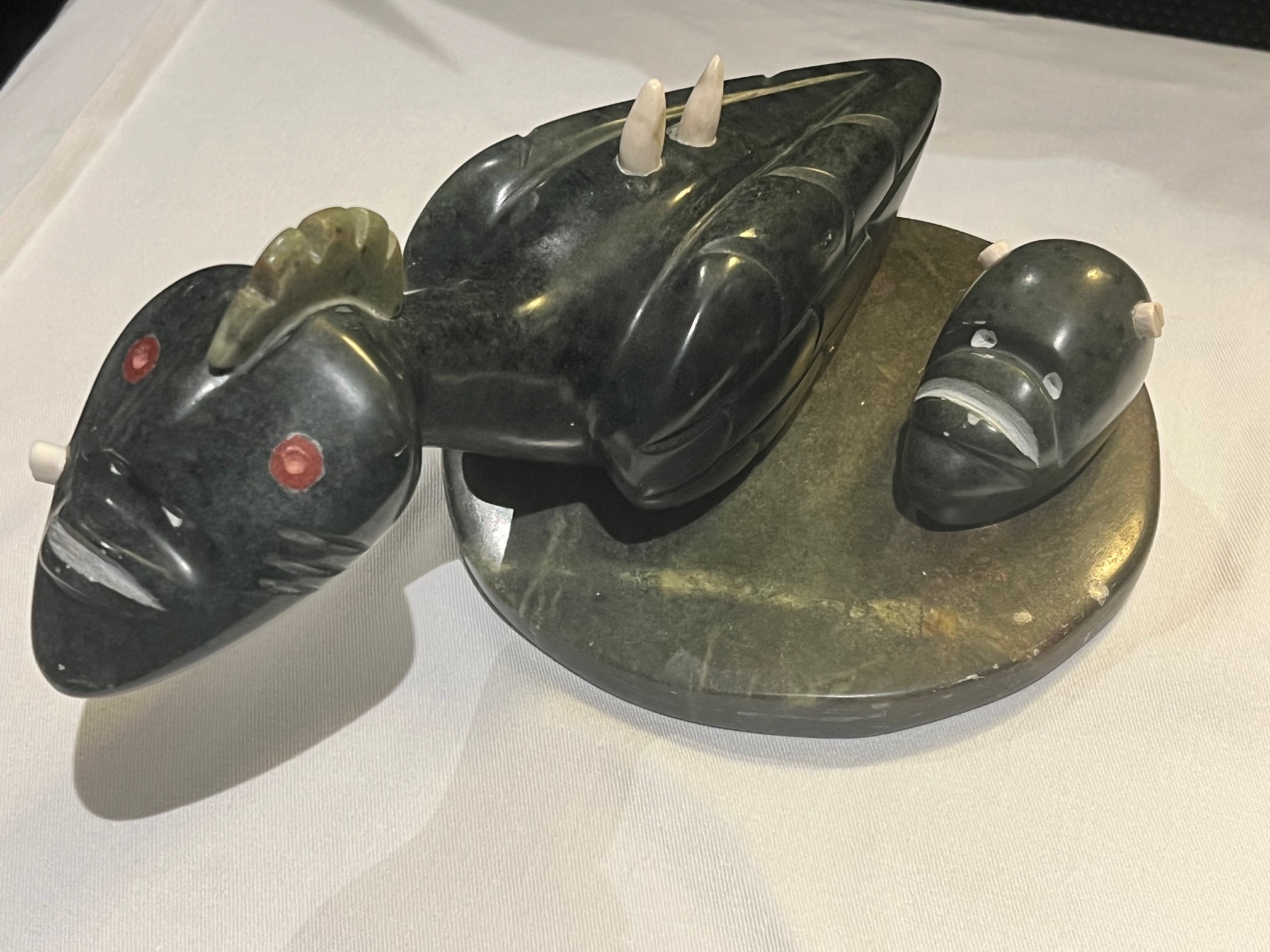
- Bird Shaman Stone Sculpture 6" x 10" 2009
- 7500$ Retail Pricing
- 5000$ Our Wholesale Price
A bird shaman is a type of spiritual healer or intermediary in various indigenous cultures who works with the power and symbolism of birds. They are believed to communicate with spirit birds, use bird totems and feathers for healing, and some shamans may even experience out-of-body journeys where they transform into or are accompanied by birds to travel to the spirit world.
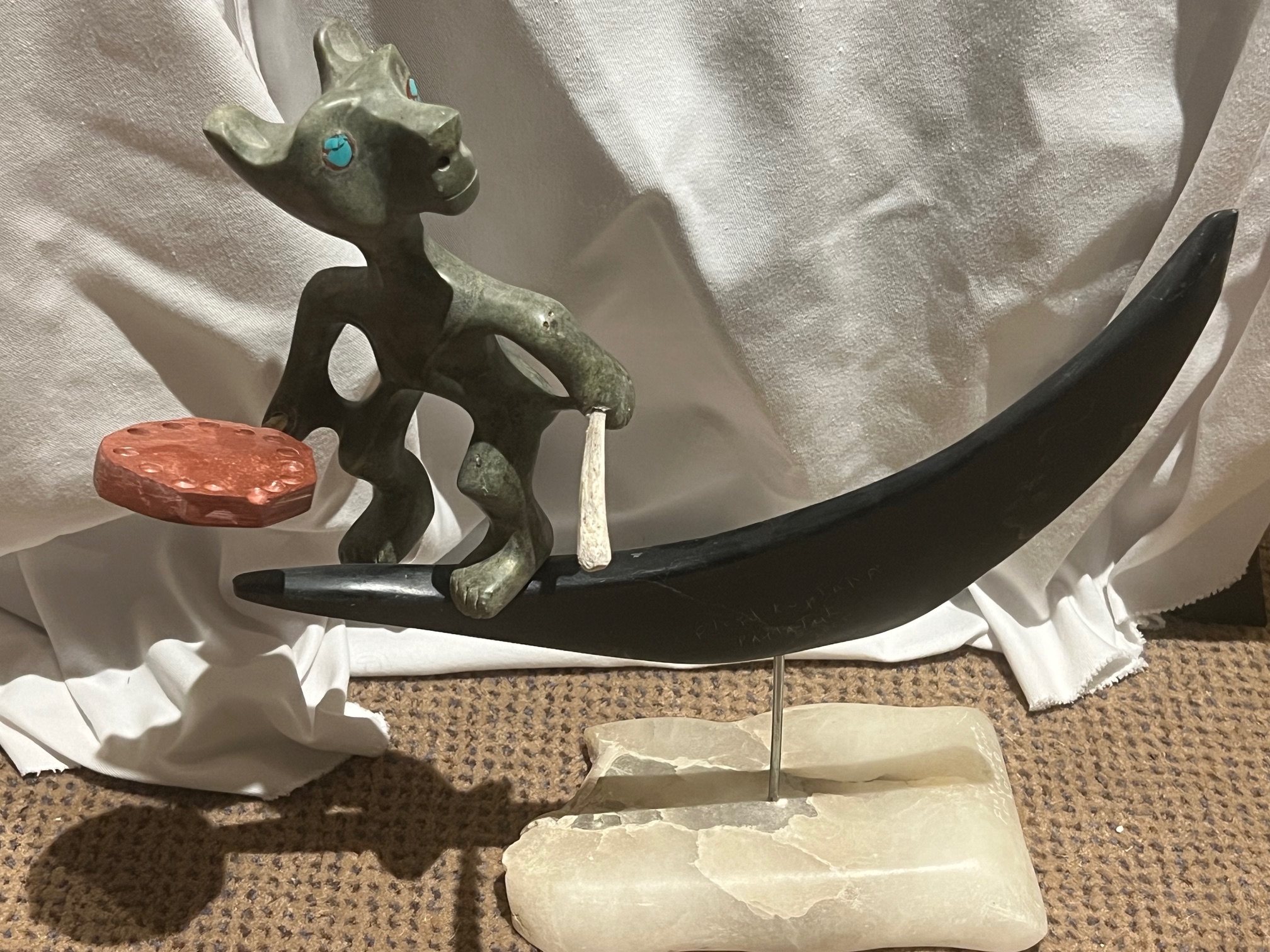
- Moon-Man Stone Sculpture 13" x 13" 2005
- 10000$ Retail Pricing
- 7000$ Our Wholesale Price
The Moon-Man is a significant figure in Inuit mythology, where a shaman visits his house on the moon and witnesses him and the Sun-Woman dancing. Modern Inuit art also features themes of moon-related journeys and shamanic connections to the moon, Floyd Kuptan's Dancing Bear represent the bear's spirit moving between the earth and the moon.
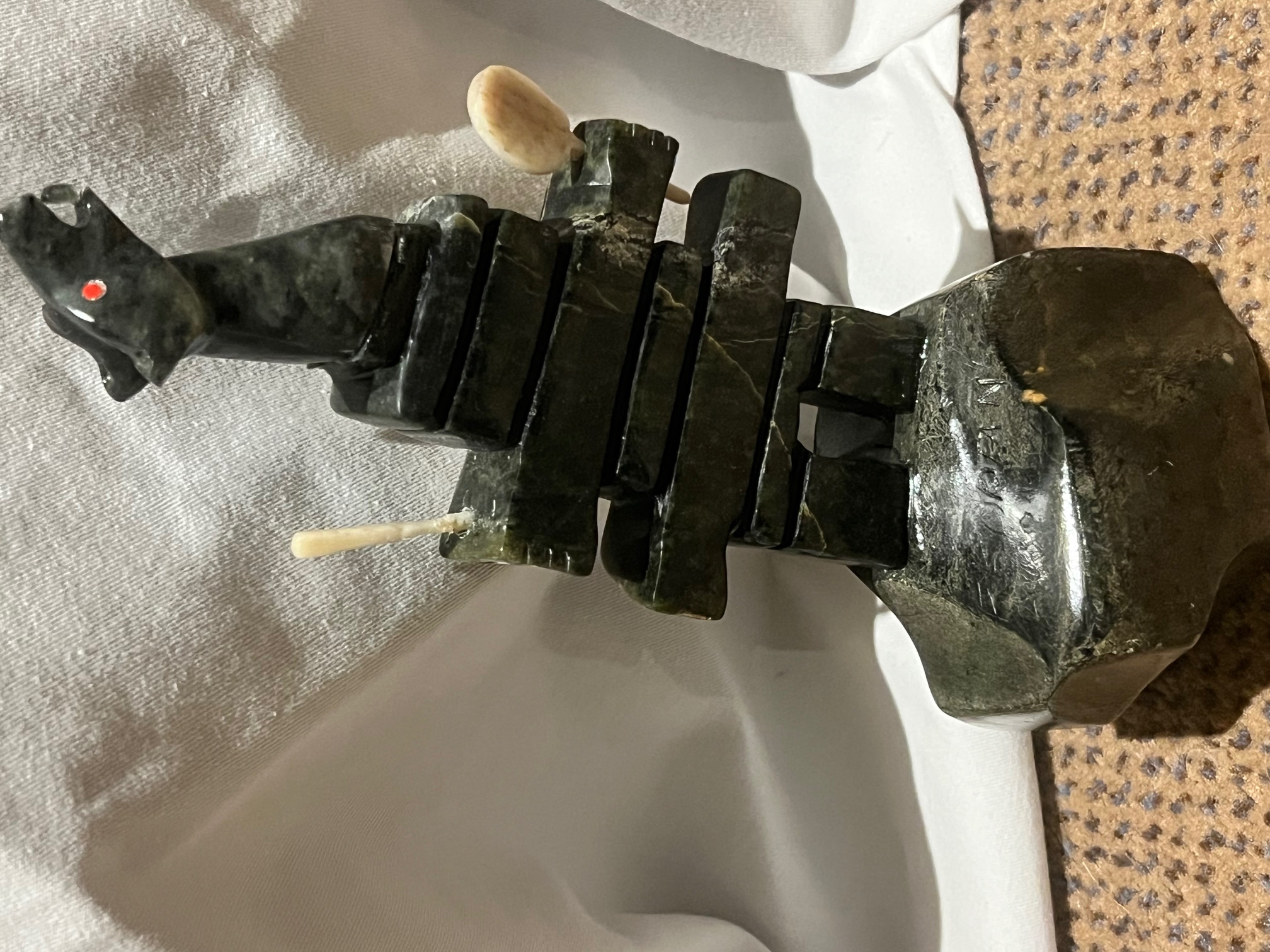
- Hunting Ground Inukshuk Stone Sculpture 10" x 6" 2018
- 7500$ Retail Pricing
- 5000$ Our Wholesale Price
An inukshuk used for hunting grounds by the Inuit served as a physical marker and signal to identify good locations for hunting, acting as a point of reference and a tool to help hunters and others survive in the harsh Arctic environment. These stone structures, which also guided travellers and warned of danger, were a vital part of Inuit culture and survival, with different types of inukshuk serving various specific functions.
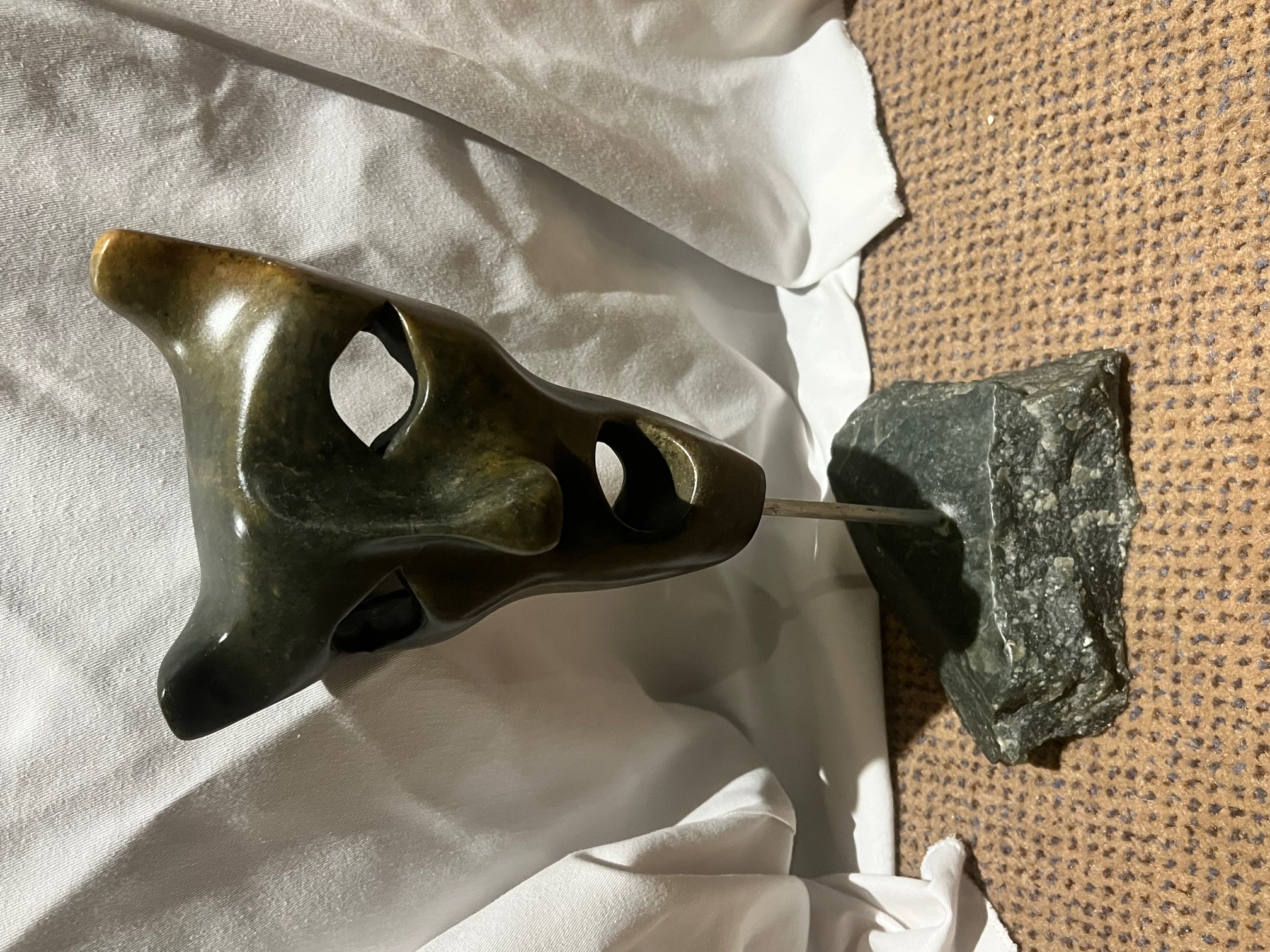
- Shaman Transformation Stone Sculpture 14" x 6" 2003
- 7500$ Retail Pricing
- 5000$ Our Wholesale Price
A Shaman transformation mask is used in the rituals of Indigenous peoples of the Pacific Northwest and Alaska, particularly in shamanic traditions, to symbolize the wearer's spiritual journey and transition between the natural and spirit worlds.